Farm Bill Initiatives
NOFA-NJ is actively urging Congress to strengthen the Farm Bill so that it supports smaller-scale farmers and local producers rather than reinforcing policies that primarily benefit wealthy corporate agribusinesses. We believe the Farm Bill should support smaller farmers instead of hindering them, address corporate land consolidation, and create a trade environment that enables independent farmers to thrive. Without these changes, the Farm Bill will continue to perpetuate an unsustainable status quo that accelerates the farm crisis and weakens rural communities throughout the United States. To learn more about this issue and how to help, click here.
Current Legislative Priorities
NOFA-NJ’s policy team works with farmers, community members, partner organizations, and policymakers to advance legislation that strengthens organic agriculture, local food systems, and environmental stewardship. Here’s a look at the bills that we are currently advocating for:
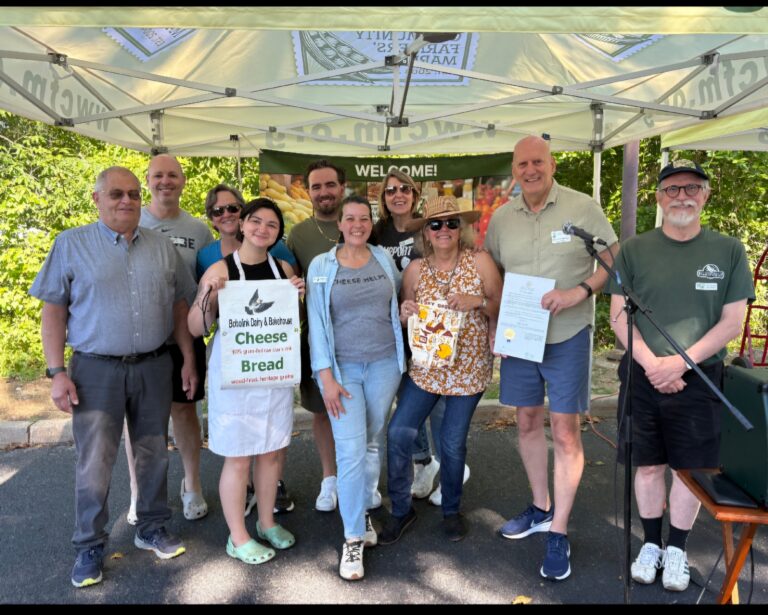
New Jersey Cottage Food Act (Bill A5229): The New Jersey Cottage Food Act creates a clearer, faster and more accessible permitting process for cottage food operators. The legislation streamlines permit approvals, reduces unnecessary paperwork, increases application access in multiple languages, and provides consistent guidance for cottage food operators. It also raises the annual revenue cap for cottage food operators from $50,000 to $100,000, giving small businesses more room to grow. By supporting entrepreneurs who produce low-risk homemade foods such as baked goods, jams, and honey, this Act supports New Jersey’s local economy and creates new opportunities for home-based food producers.
Artisanal Food Council Act (Bill A5201): The New Jersey Artisanal Food Council Act creates a Statewide council within the Department of Agriculture to promote and grow New Jersey’s artisanal food sector. The Council will bring together farmers, food producers, distributors, and government agencies to improve collaboration, support local businesses, and expand market opportunities. The Council will assist in identifying industry challenges, administer grants, review State policies, and offer recommendations to strengthen the agricultural and artisanal food sectors. By allowing government representation of locally sourced foods and supporting small businesses, this Act helps create jobs, increase access to high-quality New Jersey products, and strengthen the State’s local food economy.
Dairy Processing Inspection Transfer Act (Bill A2522): The Dairy Processing Inspection Transfer Act transfers responsibility from the Department of Health to the Department of Agriculture. The bill places inspection oversight within the agency with primary expertise in agriculture while requiring continued coordination with the Department of Health and local boards of health to protect public health and food safety. It also transfers the books, papers, records, documents, and equipment in the custody of or maintained for the use of this operation to the Department of Agriculture as well. By streamlining oversight under the Department of Agriculture, the Act aims to improve regulatory efficiency, provide more specialized support for New Jersey dairy producers, and strengthen the State’s agricultural sector while maintaining rigorous food safety standards.
Resolutions
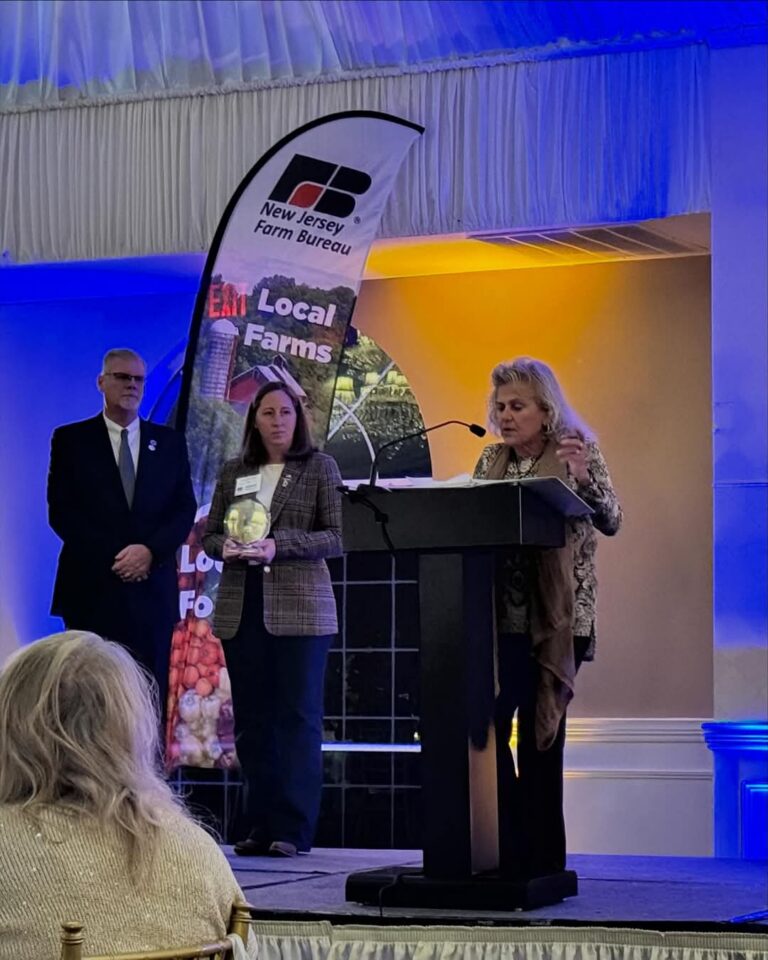
NOFA-NJ has a delegate seat at the New Jersey State farm convention and has attended the farm convention each and every year by authoring and advocating of specific resolutions that we see is important towards the development of organic farming and our whole farming community in the future. The resolutions are as listed below:
- Agricultural Post- Secondary Career Technical Education (2025) – This resolution calls for accelerating agricultural education in New Jersey by expanding and better coordinating postsecondary agriculture and career and technical education programs. It also urges community colleges, technical schools, agricultural organizations, and state agencies to work together to secure dedicated state funding that supports increased frequency for new and beginning farmers, enhances agricultural training, and increases enrollment in two-year agricultural education programs.
- Urban Agriculture (2025) – This resolution seeks for the New Jersey Department of Agriculture (NJDA) to adopt a more formal definition of urban agriculture, recognize qualifying small urban farms as active working farms so they can access grants and other benefits, extend farmland assessment consideration to eligible aquaculture operations, and create a statewide strategic plan to support and expand urban agriculture through collaboration with key organizations.
- Local Economies for Farmers (2025)– The delegates recommend that the New Jersey Legislature work with the New Jersey Department of Agriculture to expand the Local Food Purchase Assistance (LFPA) program by increasing purchases from local farmers and providing adequate state funding. They also support creating dedicated state subsidies and improved tax credits for small- and medium-sized farms that donate food. Additionally, they call for expanding partnerships and marketing opportunities to help family farmers, food entrepreneurs, local distributors, and processors gain better access to larger local and regional markets.
- Dairy and Cottage (2025) – The delegates support having the New Jersey Department of Agriculture continue working with the Department of Health to improve inspection protocols for on-farm dairy processing, making it easier for dairy farmers to transition to on-farm processing and increase their profitability. They also recommend moving licensing for on-farm dairy processors to the NJDA to create a more efficient, centralized system for regulation, training, funding, and administration.
- Soil Health (2023)– This resolution calls on the State of New Jersey to provide funding, subsidies, or tax incentives to help farmers get equipment and create practices that increase soil carbon sequestration. It also urges the Department of Agriculture to work with the farming community to educate landowners and leaseholders and develop programs that promote conservation tillage practices across the state.
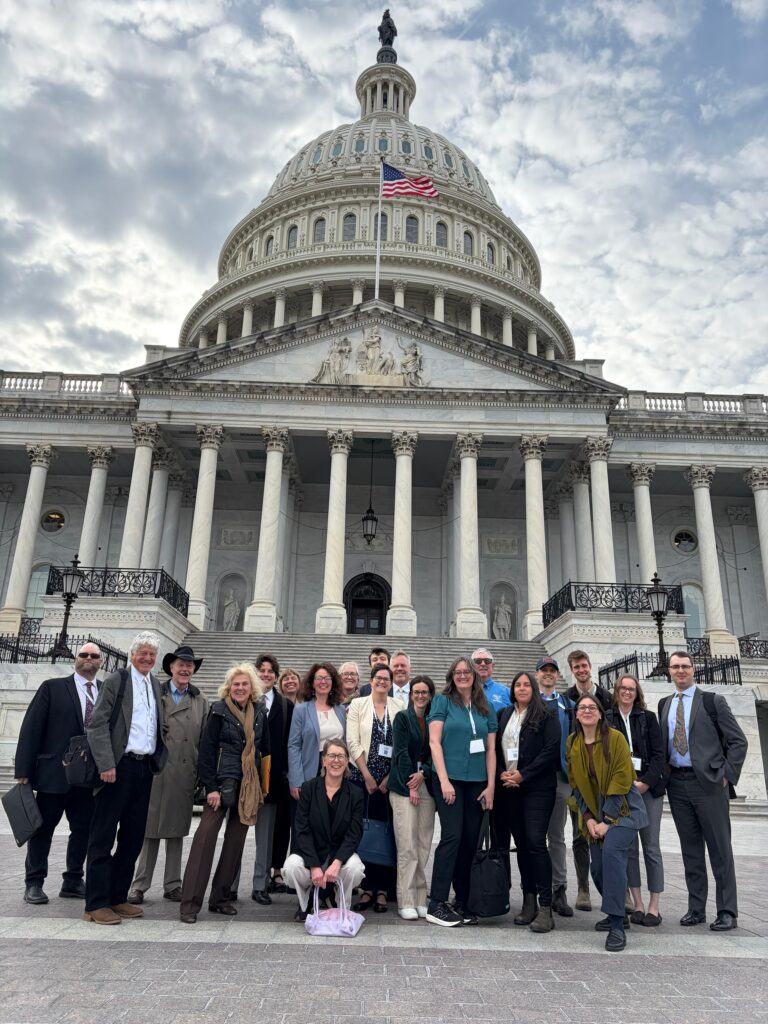
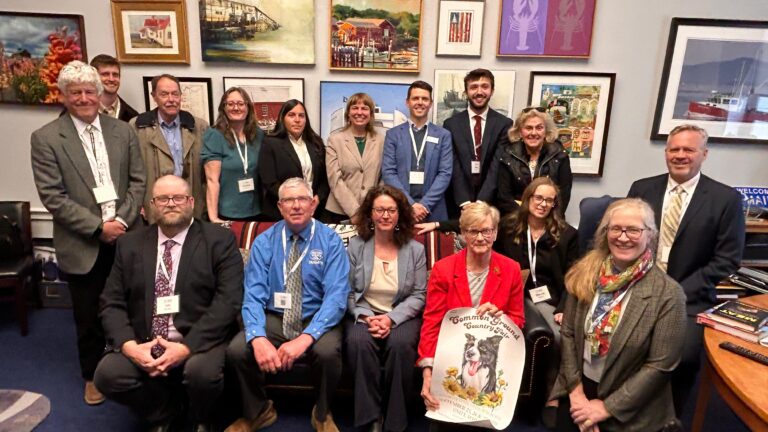
NOFA Policy Coordination and Interstate Collaboration
The seven NOFA chapters (New Hampshire, Vermont, New York, Massachusetts, Rhode Island, Connecticut and New Jersey) meet twice a month through a monthly meeting of the Interstate Council and a monthly meeting of the Interstate Policy Committee to discuss farm policy, coordinate communication among state chapters, and collaborate on state and federal agricultural policy issues.
The NOFA Interstate Council facilitates collaboration among the chapters. It acts as an umbrella organization for projects of collective concern to educate our broad NOFA farmer community, gardeners, consumers, and land care professionals. All Northeast Organic Farming Association chapters offer educational conferences, workshops, farm tours, and printed materials in each of its seven states.
The NOFA Interstate Council Policy Committee is the regional and national advocacy arm of the Northeast Organic Farming Association (NOFA). Composed of policy employees and state chapter leaders, it advocates for grassroots organics, defends organic integrity against corporate loopholes, and shapes national legislation like the Farm Bill in Washington with established relationships with federal and state legislators.
Upcoming Policy Events & Meetings
NOFA Policy committee meetings are typically held the second Tuesday of every other month. The date for the next meeting is August 18, 2026. Stay tuned for August policy agenda to be posted soon! If you would like to join the meetings to discuss any policy topic, or join the committee itself, please feel very welcome.
Have any policy questions, comments, or concerns? Please feel free to email us at:
- Cali Alexander, Policy Chair: goatwell1@gmail.com
- Jamal Dundas, NOFA Legislative Aide: jamal.dundas2017@gmail.com